
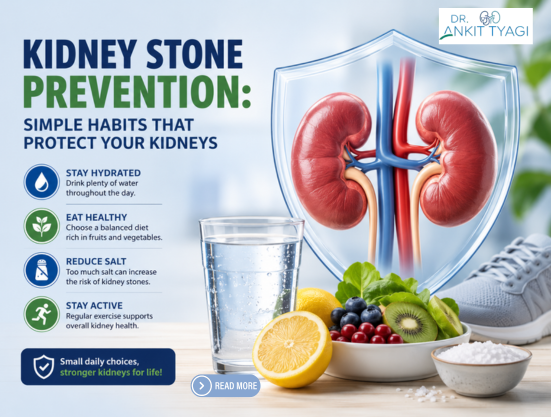
Kidney Stone Prevention: Simple Habits That Protect Your Kidneys
Kidney stones are one of the most common urological conditions and can cause severe pain if left untreated. Fortunately, many kidney stones can be prevented by making a few healthy lifestyle changes. If you experience repeated stone formation or urinary discomfort, consulting the Best Urologist in Old Rajendra Nagar can help identify the underlying cause and provide personalized treatment.
What Are Kidney Stones?
Kidney stones are hard mineral deposits that form inside the kidneys when minerals and salts become concentrated in the urine. Stones may remain in the kidney or travel through the urinary tract, causing intense pain.
Common Symptoms
Severe pain in the back or side
Pain during urination
Blood in urine
Frequent urge to urinate
Nausea and vomiting
Fever and chills (if infection is present)
Causes of Kidney Stones
Several factors increase the risk of developing kidney stones:
Drinking insufficient water
High salt intake
Excess animal protein
Obesity
Family history
Certain medical conditions such as gout or hyperparathyroidism
How to Prevent Kidney Stones
1. Stay Well Hydrated
Drink at least 2.5–3 liters of water daily to dilute urine and reduce stone formation.
2. Reduce Salt Intake
High sodium levels increase calcium in urine, raising the risk of stones.
3. Eat a Balanced Diet
Include fruits, vegetables, whole grains, and adequate dietary calcium while limiting processed foods.
4. Limit Sugary Drinks
Soft drinks and excessive sugary beverages may increase stone risk.
5. Maintain a Healthy Weight
Regular exercise and weight management help lower the chances of recurring kidney stones.
Following these preventive measures and scheduling regular checkups with the Best Urologist in Old Rajendra Nagar can significantly reduce your risk of recurrence.
A urologist may recommend:
Urine examination
Blood tests
Ultrasound
CT Scan
Stone analysis (if passed naturally)
Treatment Options
Treatment depends on the stone's size and location.
Medication
Increased fluid intake
ESWL (Shock Wave Lithotripsy)
URS (Ureteroscopy)
RIRS (Retrograde Intrarenal Surgery)
PCNL (Percutaneous Nephrolithotomy)
Modern minimally invasive procedures ensure faster recovery with minimal discomfort.
When Should You Visit a Urologist?
Seek medical attention if you experience:
Severe or persistent pain
Blood in urine
Fever with urinary symptoms
Difficulty passing urine
Recurrent kidney stones
Early diagnosis by the Best Urologist in Old Rajendra Nagar helps prevent complications and preserves kidney function.
Conclusion
Kidney stones are preventable in many cases through proper hydration, healthy eating habits, and timely medical evaluation. If you have symptoms or a history of kidney stones, consult the Best Urologist in Old Rajendra Nagar for expert diagnosis and advanced treatment options.
FAQs
Q1. Can kidney stones be prevented completely?
Many kidney stones can be prevented through proper hydration, diet, and regular follow-up.
Q2. Which foods should I avoid?
Reduce excess salt, processed foods, sugary drinks, and high-oxalate foods if advised by your doctor.
Q3. How much water should I drink daily?
Most adults should aim for 2.5–3 liters per day unless otherwise advised.
Q4. Is surgery always required?
No. Small stones often pass naturally, while larger stones may require minimally invasive procedures.