
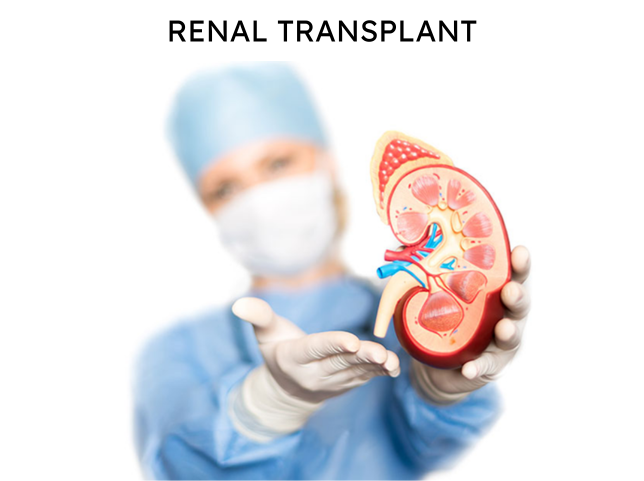
Renal Transplant
A renal transplant, also known as a kidney transplant, is a life-saving surgical procedure for patients suffering from end-stage kidney disease (ESKD) or renal failure. In this procedure, a healthy kidney from a living or deceased donor is transplanted into a patient whose kidneys are no longer functioning properly. This procedure offers hope to individuals who are on dialysis or those with chronic kidney disease.
What Is a Renal Transplant?
Renal transplantation involves placing a healthy kidney into the body of a patient who has kidney failure. The transplanted kidney takes over the function of filtering waste from the blood, thus eliminating the need for dialysis. Unlike dialysis, which is a time-consuming and frequent process, a kidney transplant can dramatically improve the patient's quality of life.
Patients suffering from chronic kidney disease, which is often caused by conditions like diabetes, high blood pressure, or inherited kidney disorders, may require a transplant when their kidneys can no longer function adequately. Symptoms of kidney failure include fluid retention, fatigue, loss of appetite, and difficulty concentrating.
Improved Quality of Life: Kidney transplant patients generally experience a better quality of life compared to those on dialysis. They have more energy, fewer dietary restrictions, and greater freedom in daily activities.
Long-Term Health: With a successful transplant, the new kidney can function for many years, allowing patients to live a more normal life.
Reduced Medical Costs: Though the cost of surgery is high, a kidney transplant may reduce long-term medical expenses, as patients will no longer need frequent dialysis treatments.
While renal transplants offer many benefits, there are some risks involved, including the potential for organ rejection, infections, and complications from immunosuppressive drugs. It’s essential for transplant recipients to work closely with healthcare providers to manage these risks and ensure the long-term success of the transplant.
Choosing the right doctor for a renal transplant is crucial for the success of the procedure. The best renal transplant doctor in Delhi will have experience, expertise, and a proven track record in performing kidney transplants. It's important to consult a specialized nephrologist or transplant surgeon who can guide you through the process, evaluate your suitability for the surgery, and provide the best post-transplant care.
If you or a loved one is considering a renal transplant, reach out to a leading kidney transplant specialist in Delhi who can provide comprehensive care and support throughout the journey.
Renal transplantation offers a new lease on life for individuals suffering from kidney failure. With the expertise of a best renal transplant doctor in Delhi, patients can improve their health, regain independence, and experience a better quality of life post-transplant. If you are considering a kidney transplant, ensure you choose a reputable and experienced specialist for the best outcomes.